
Stay up to date with the latest events, meetings, and milestones from the CyberSecure Teaching project.
Thank you for your interest in the CyberSecure Teaching project survey. The survey has now concluded. The results will be analysed and used to develop materials, training opportunities, and support formats for different educational sectors.
The Gap analysis survey is now available to fill at survey.cybersecureteaching.eu.
The third project workshop week in St. Pölten, Austria, focused on cybersecurity Gap analysis survey, assessment tool mapping, learning objectives and related learning goals
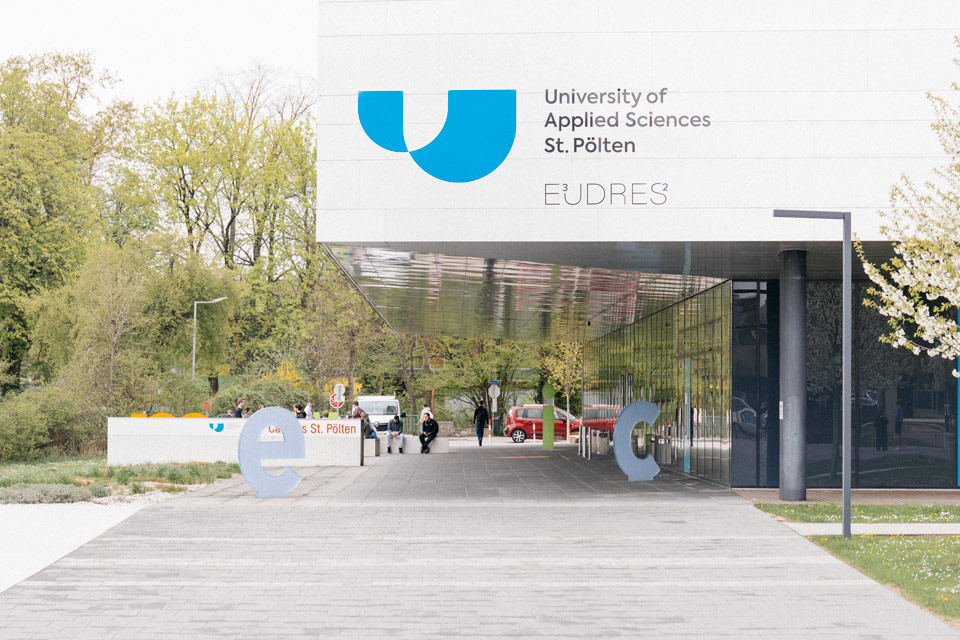
The workshop week was held at the beautiful campus of University of Applied Sciences St. Pölten, also a leading institution of the EUDRES university alliance.
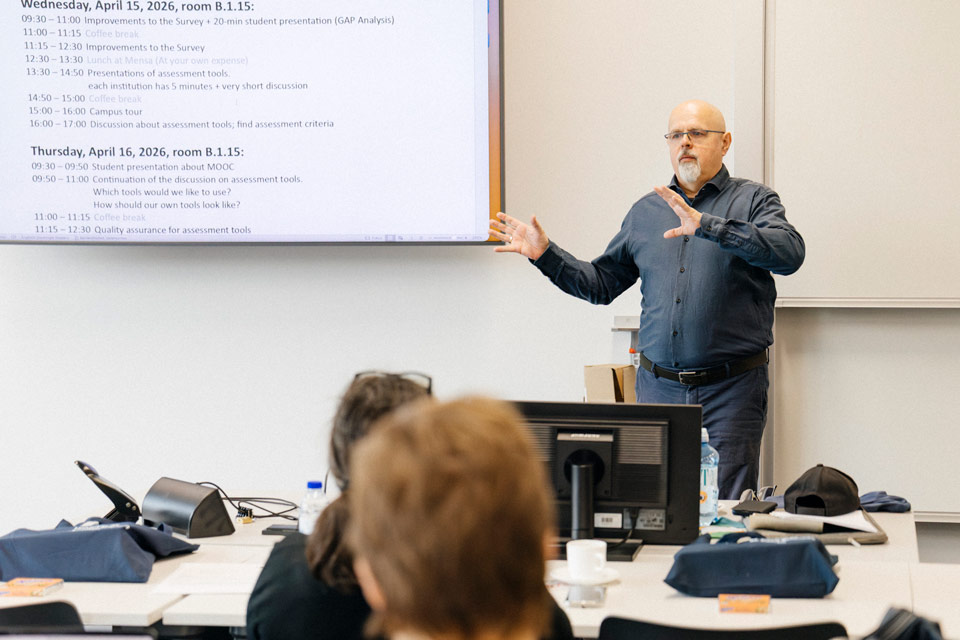
The workshop activities were hosted by Hubert Schölnast as part of a well-organised and engaging week.
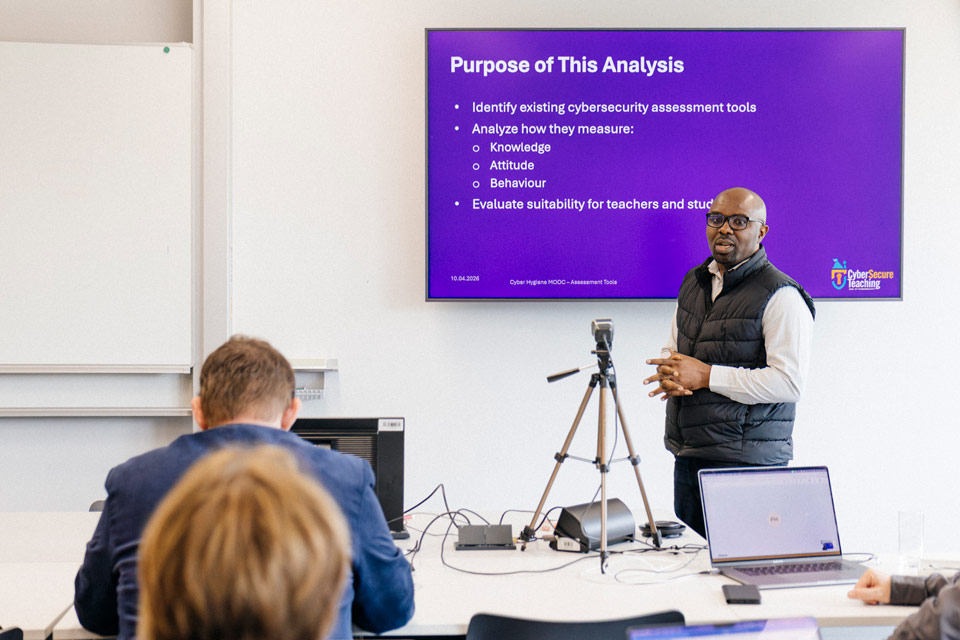
Throughout the week, participants worked on developing ideas for a cybersecurity assessment tool.
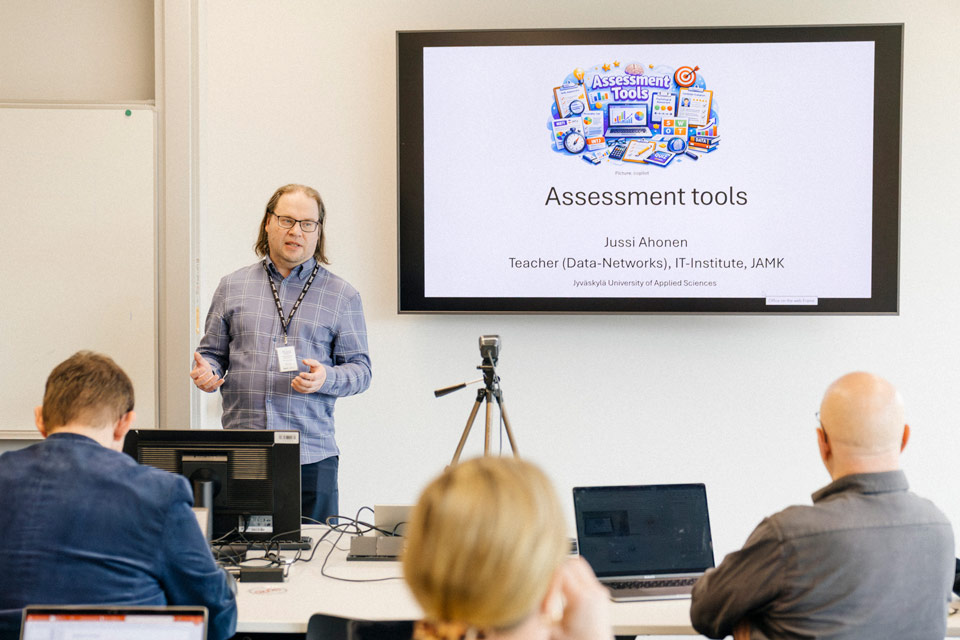
Jussi Ahonen, Senior Lecturer at the IT Institute of JAMK University of Applied Sciences, shared his findings on comparable assessment tools
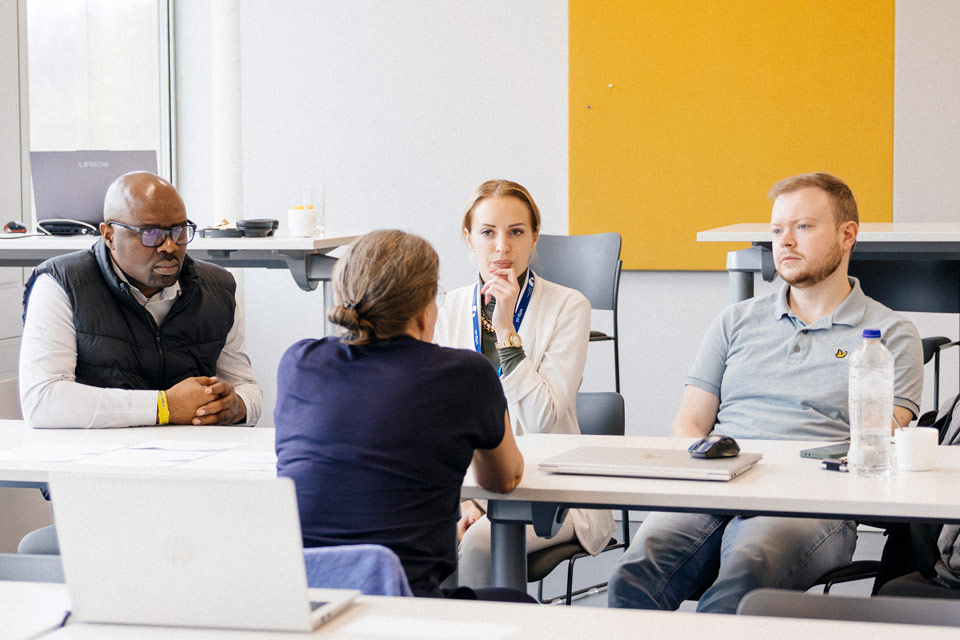
Colleagues from St. Pölten University of Applied Sciences (Austria), UCLL University of Applied Sciences (Belgium), and JAMK University of Applied Sciences (Finland) brainstorming and ideating together.
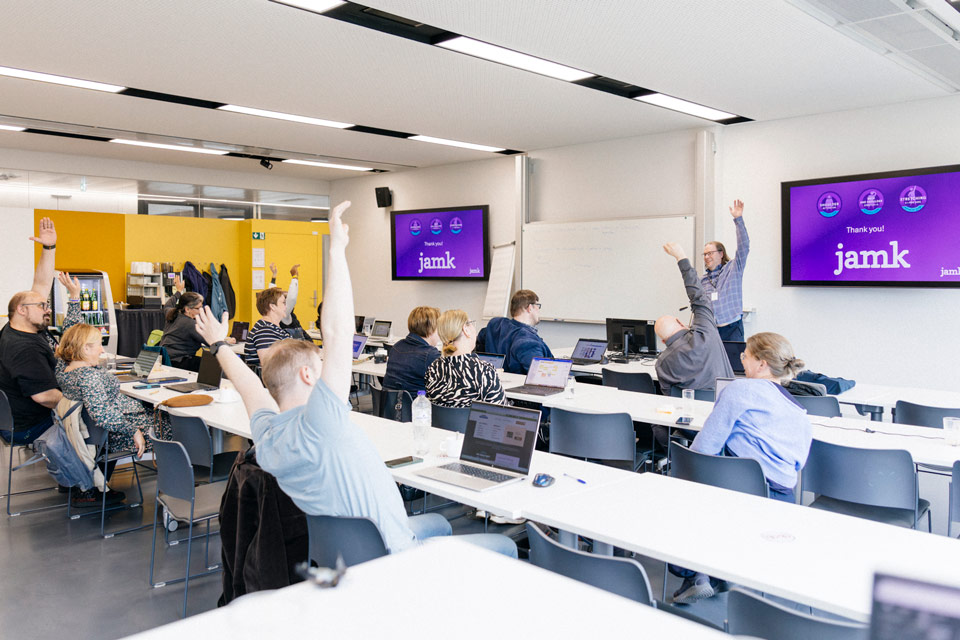
What makes the project unique is the joint effort of teacher educators, edtech specialists, and IT and cybersecurity experts; here also taking a moment to stretch together, supporting participants’ well-being and active engagement during the workshop.
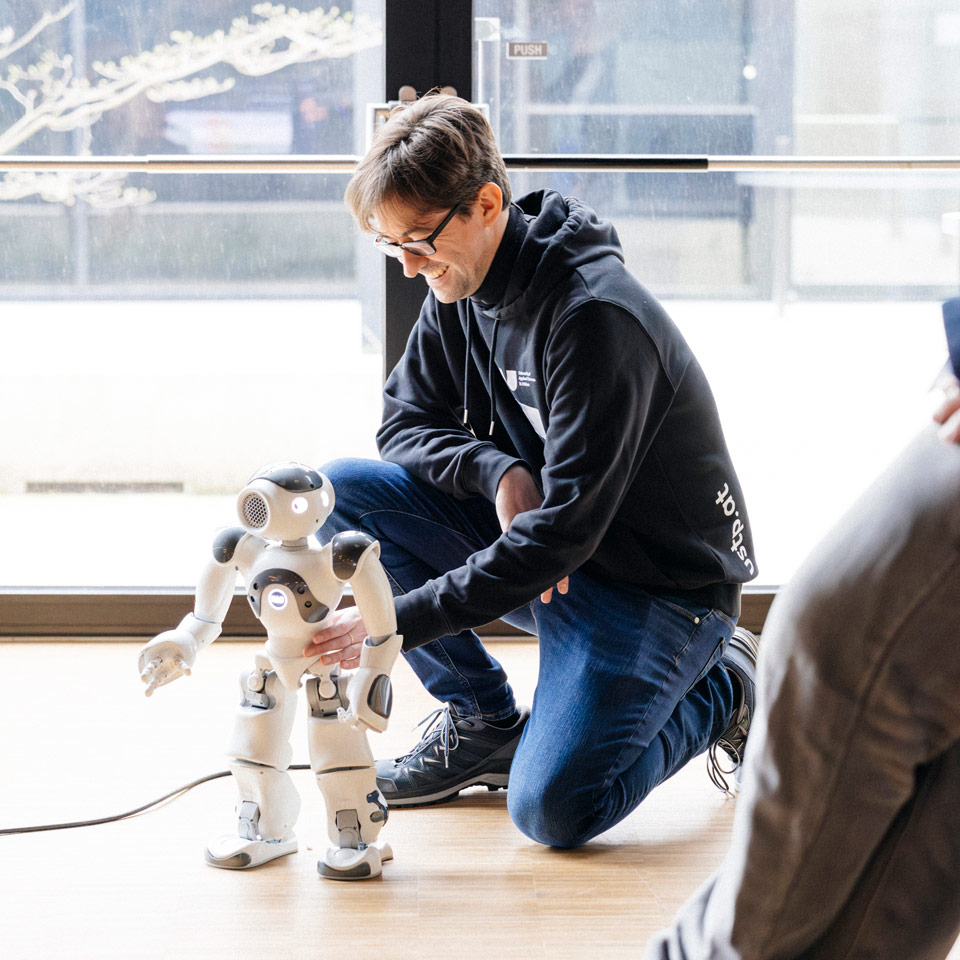
The workshop week also included visits to the state-of-the-art laboratories …and the scenic campus of St. Pölten University of Applied Sciences.
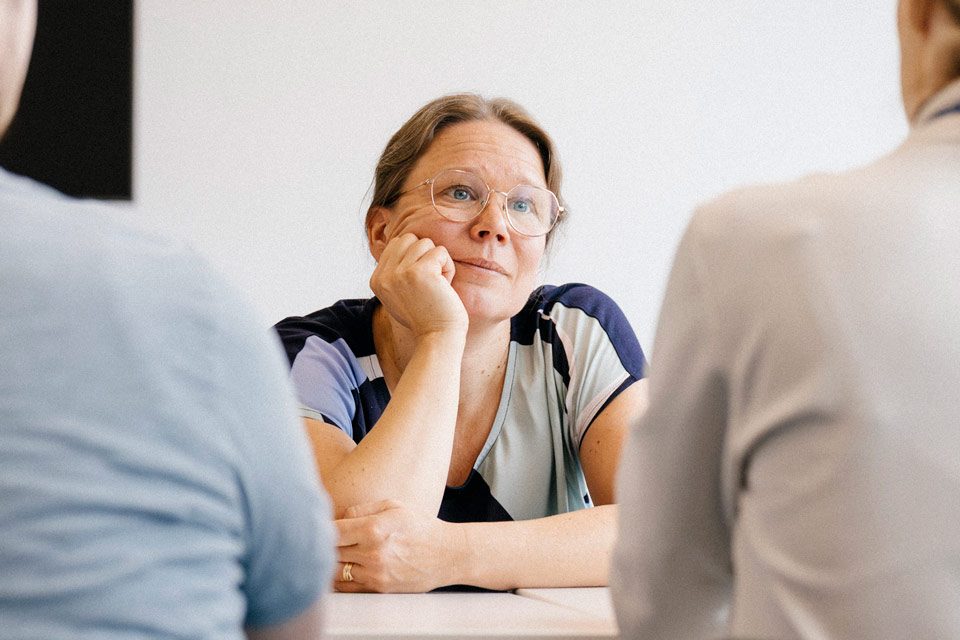
Intensive workshop weeks are always exciting for project managers, but they also require thorough preparation and focus. Pictured: Henna Pernu, project manager of CyberSecure Teaching.
The second project workshop week in Setúbal, Portugal, focused on cybersecurity awareness, cyber hygiene, and related learning goals, with also inclusivity in mind
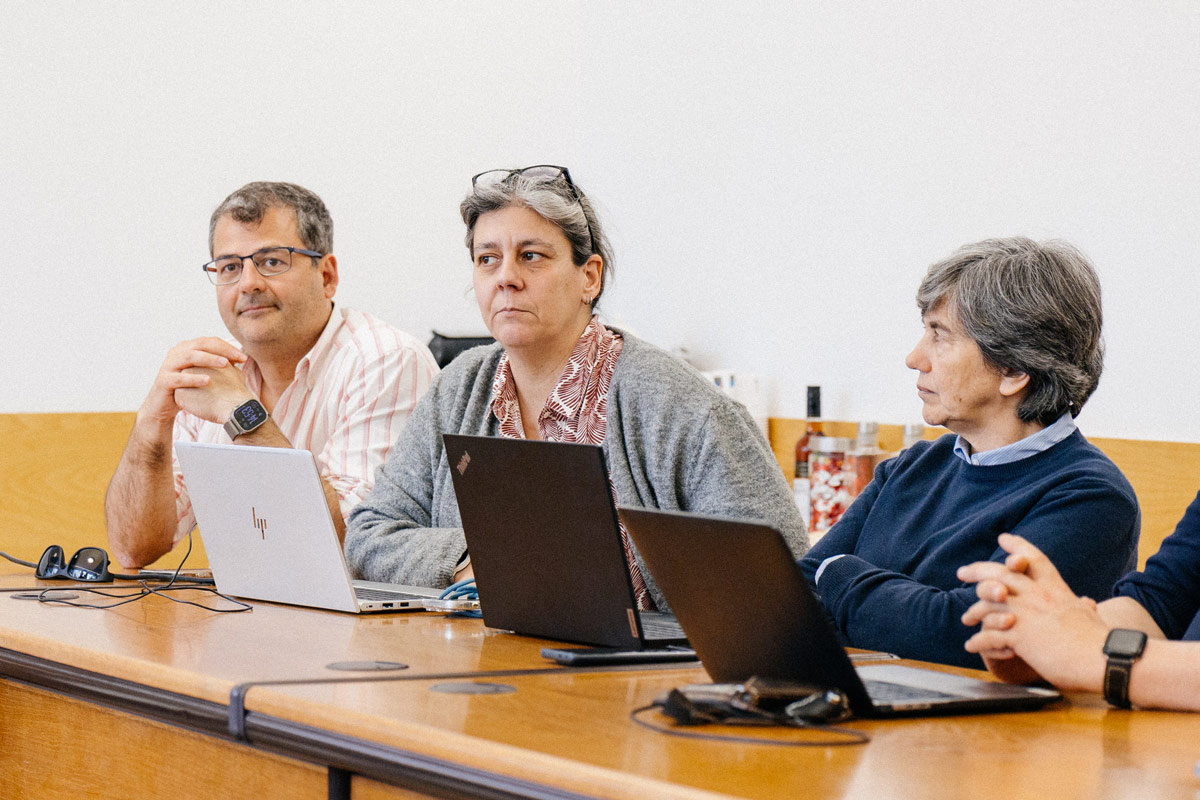
Luísa Torre, João Torres, David Simões, and Rossana Santos provided excellent facilities and created strong opportunities for co-creation at IPS in Portugal.
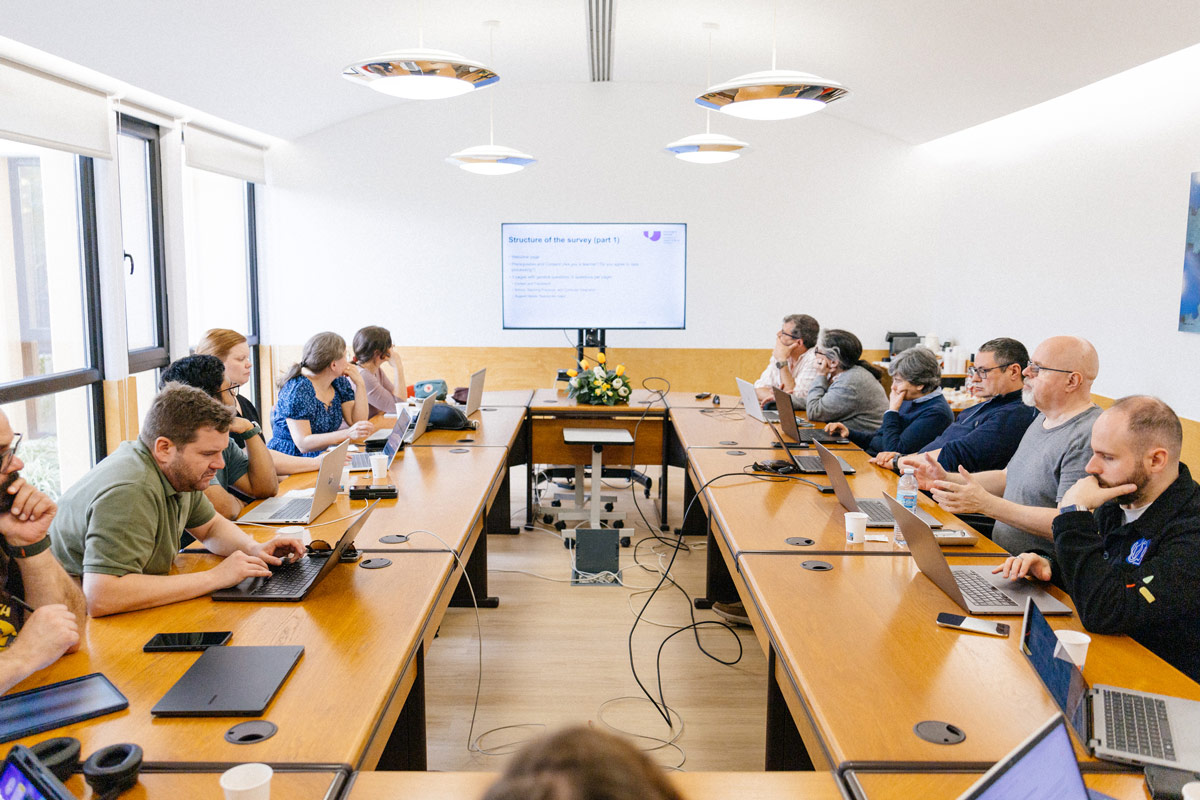
An assessment of teachers’ needs related to cybersecurity practices and their teaching in schools had been conducted across Europe.
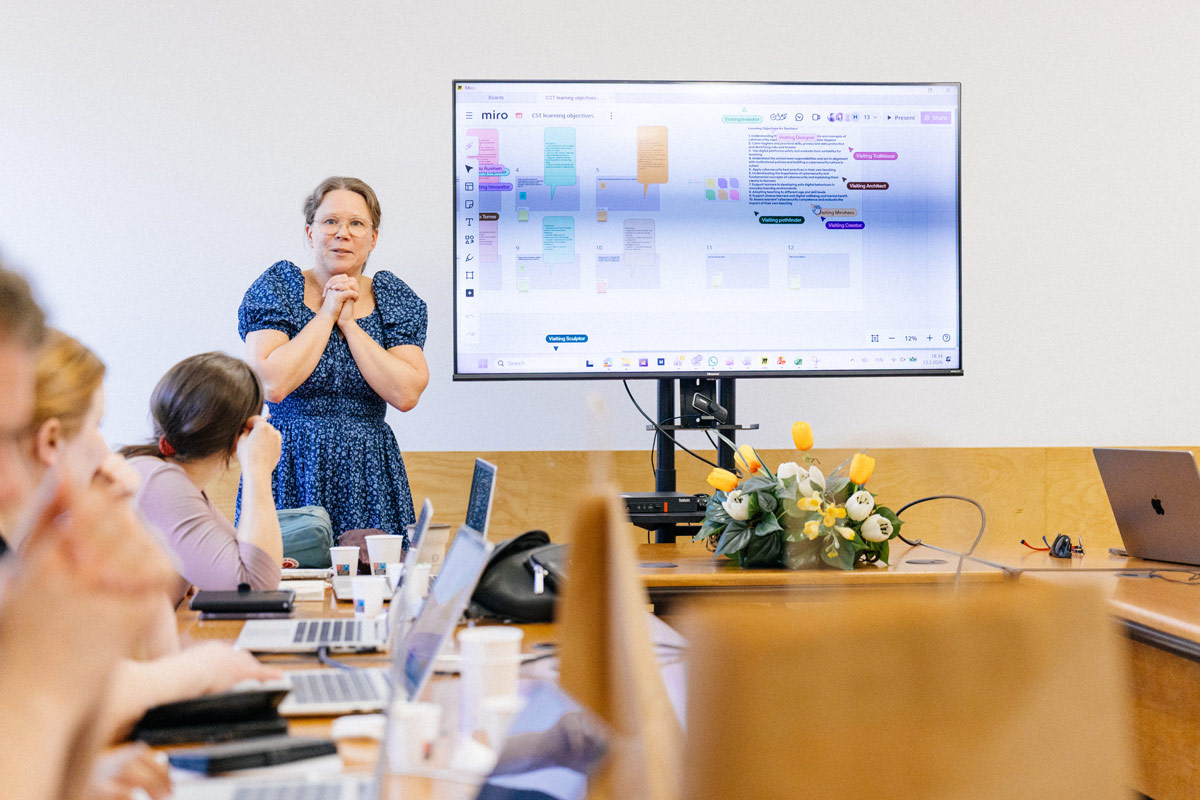
Project Manager Henna Pernu presented an initial analysis of the learning objectives for the materials to be created in WP2.
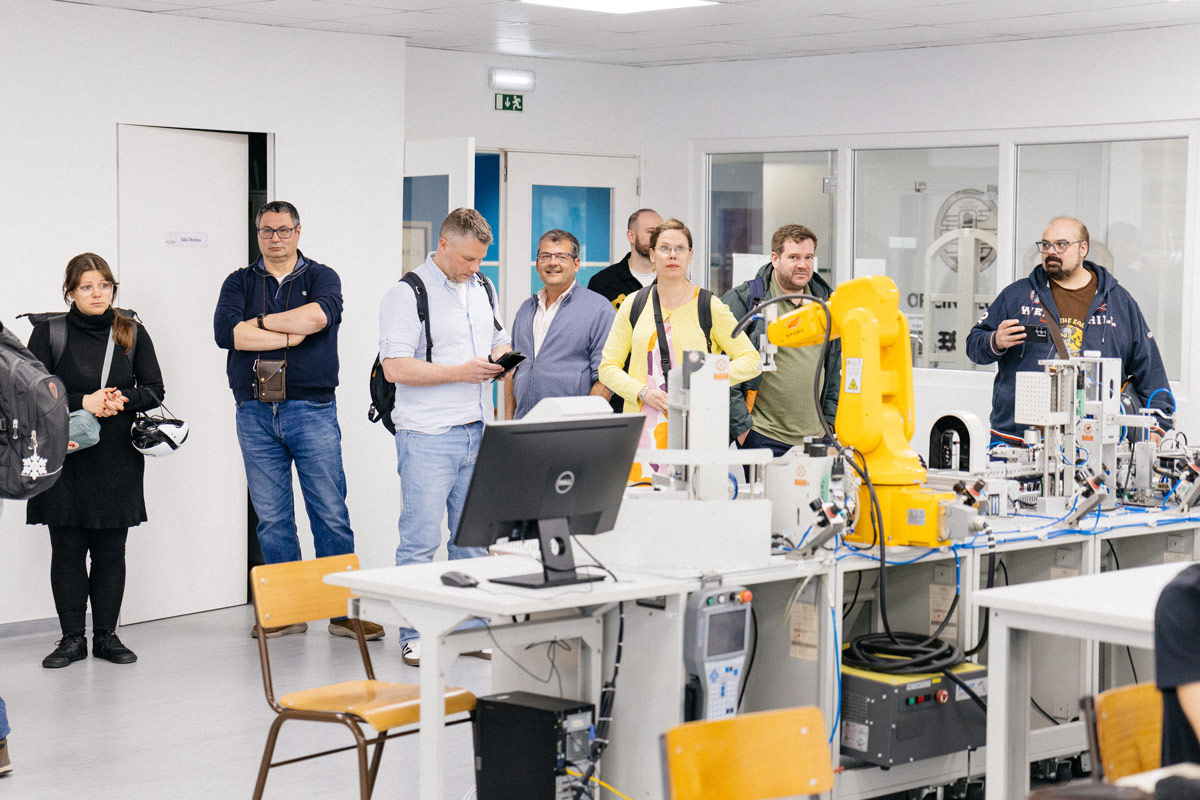
Digitalization is an increasingly integral part of modern professions and their education, and therefore digital safety must also be taken into account in teaching.
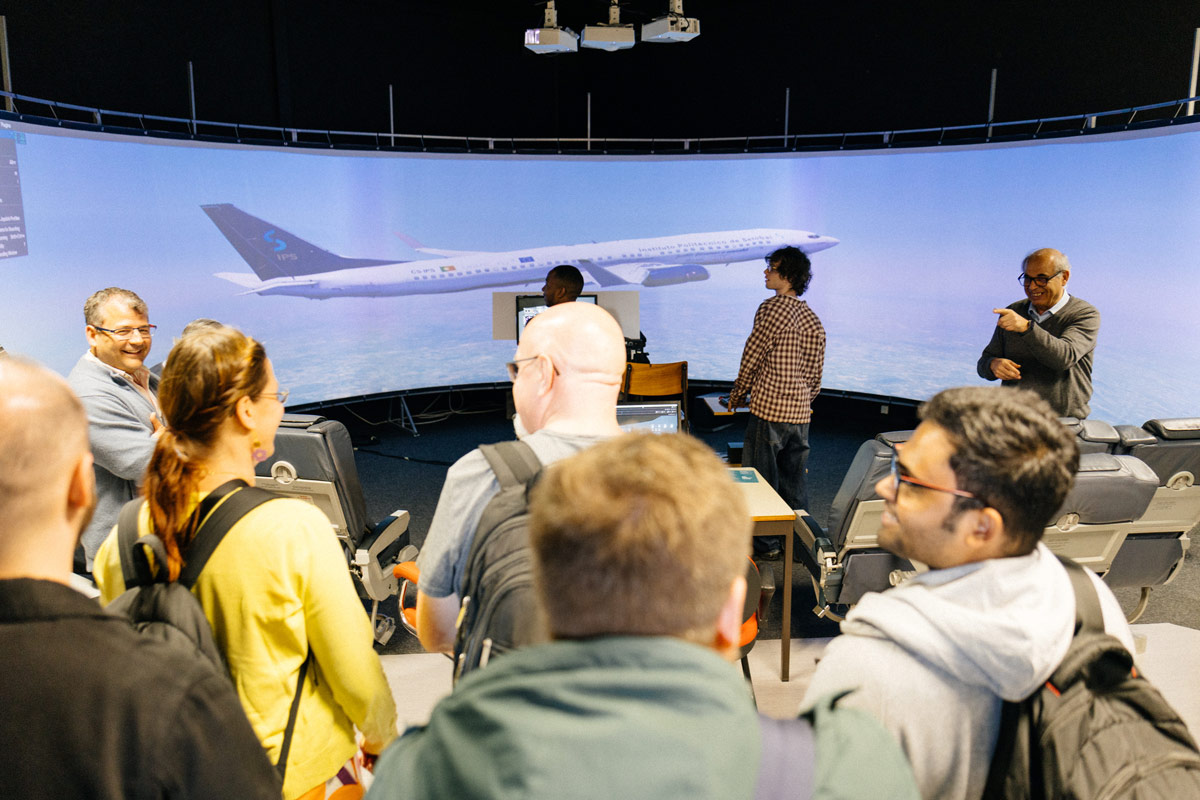
At the IPS’s campus, high-level theoretical and vocational expertise were combined with teaching in a very skillful way, as demonstrated, e.g., in the construction of flight simulators together with students.
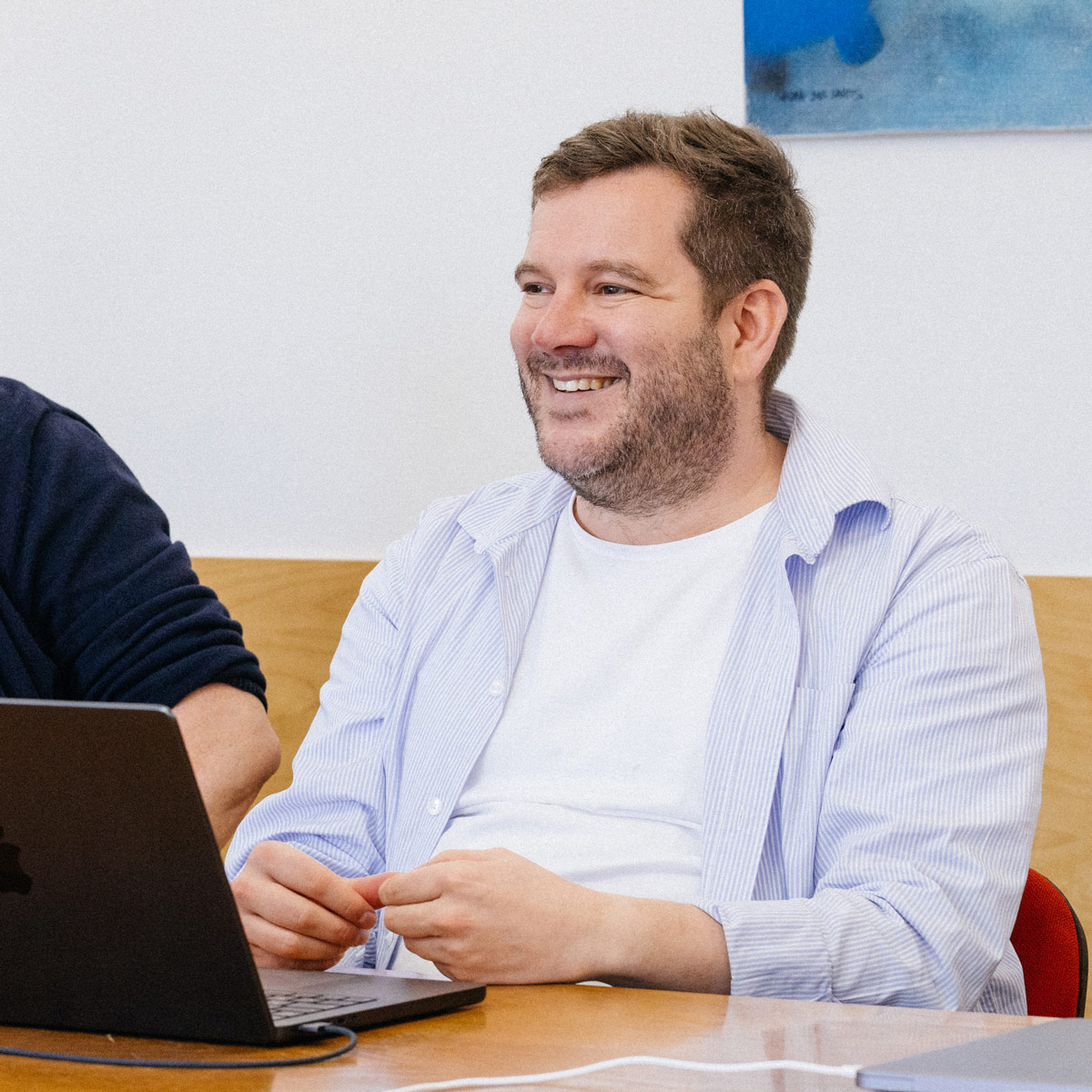
During the week in Portugal, UCLL’s Andy Veltjen from Belgium played a major role and demonstrated strong facilitation skills in leading the learning objectives workshops.
The CyberSecure Teaching consortium met in Jyväskylä, Finland, to launch the project and align on objectives, work packages, and timelines.
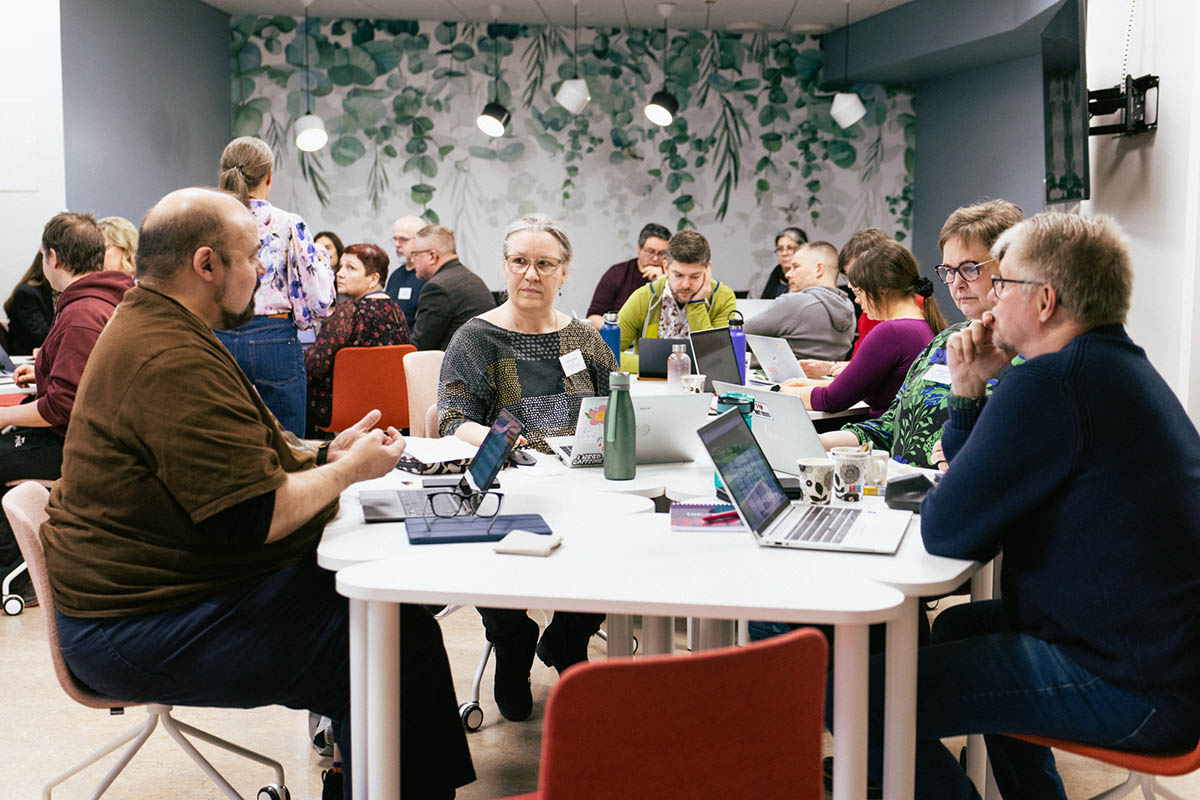
Mapping and ideation across organisational and national boundaries. Representatives from the vocational education, Hetel (Spain) and Ysao (Finland), in the foreground.
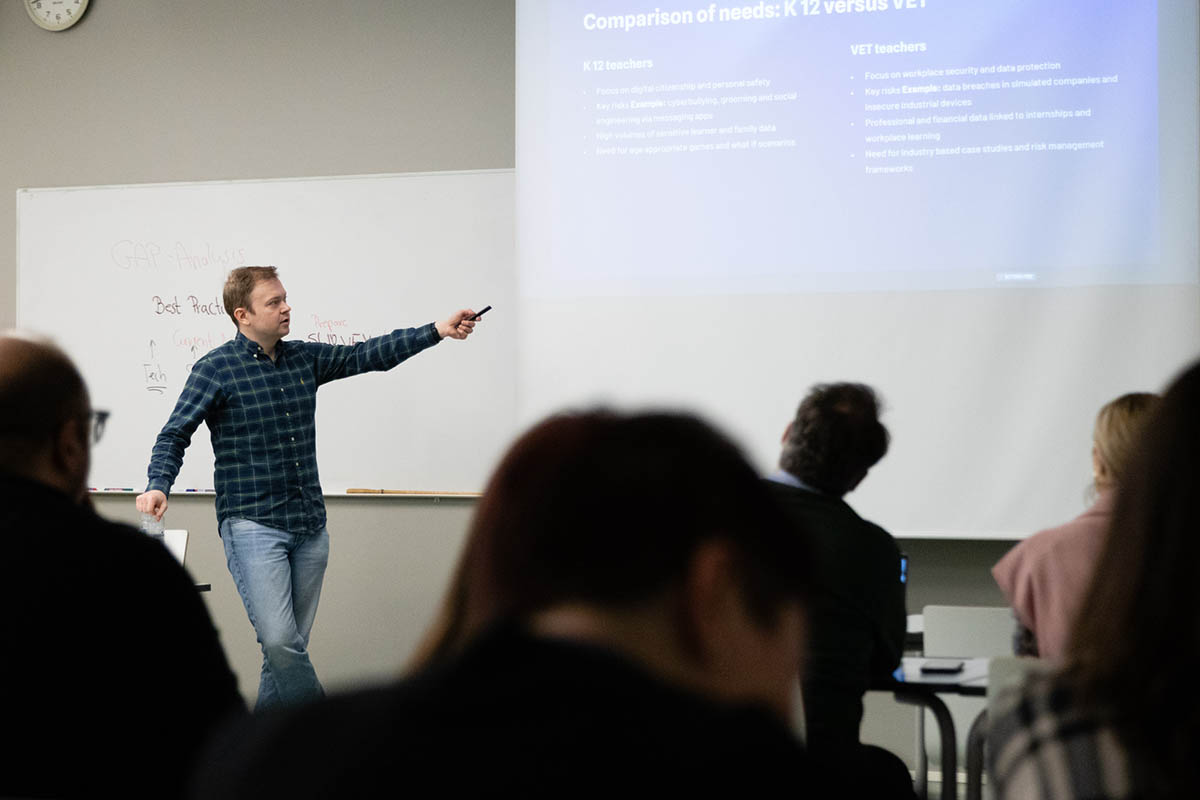
Presentations on the status of different countries (Thomas Donvil from UCLL Belgium presenting).
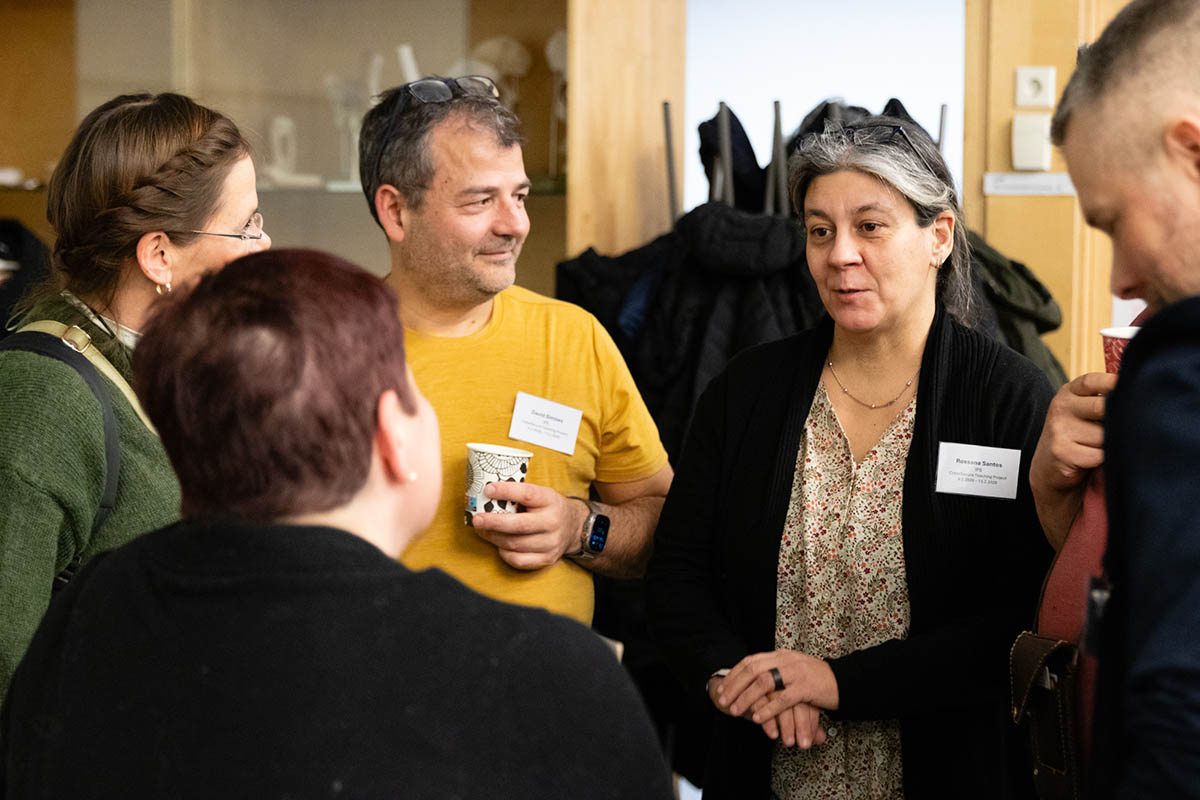
Sharing best practices of Polytechnic Institute of Setúbal (Portugal) and Teacher Training School of University of Jyväskylä (Finland).
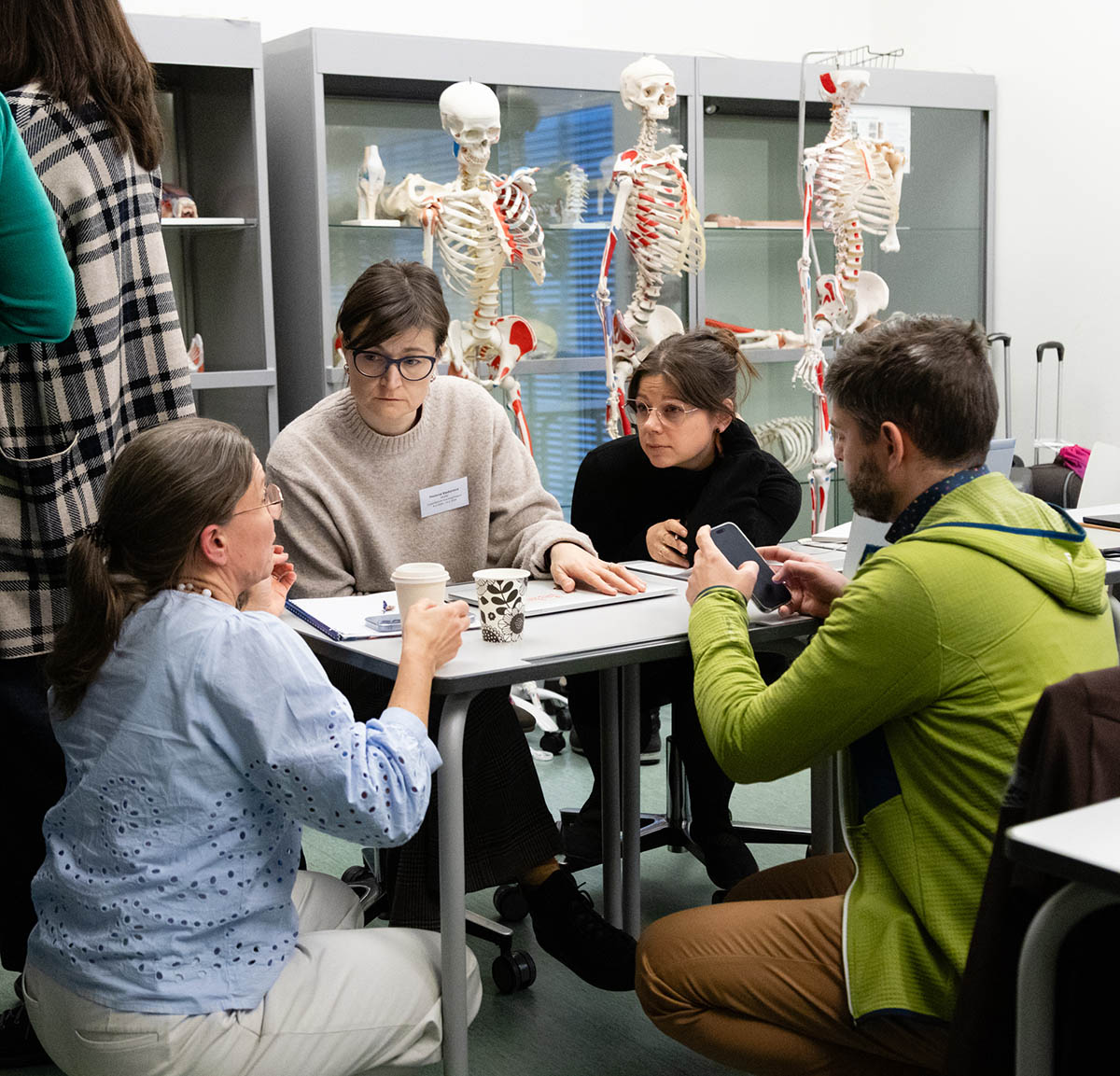
Experts from Jamk (Finland) and Masaryk University (Czech Republic) exchanging professional expertise – observed by a silent anatomical audience.
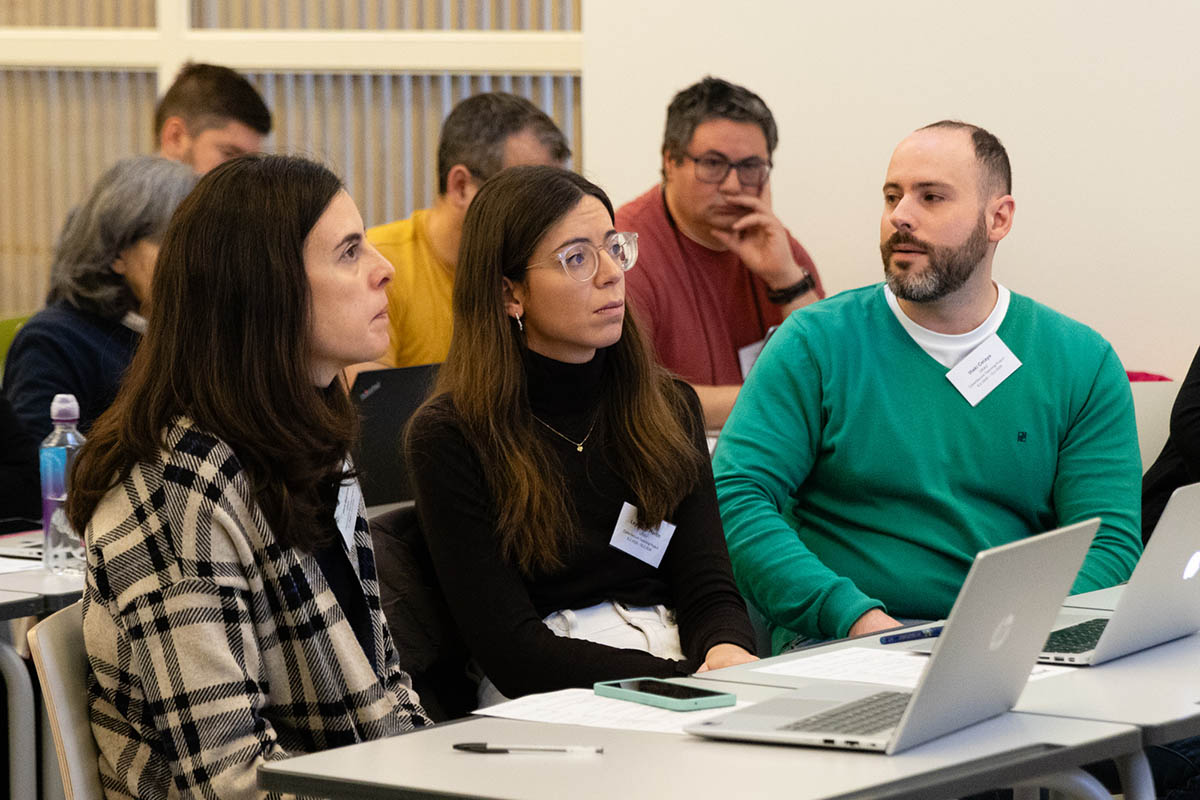
Cybersecurity as a topic of discussion. Representatives from the University of Navarra (Spain) and Polytechnic Institute of Setúbal (Portugal).
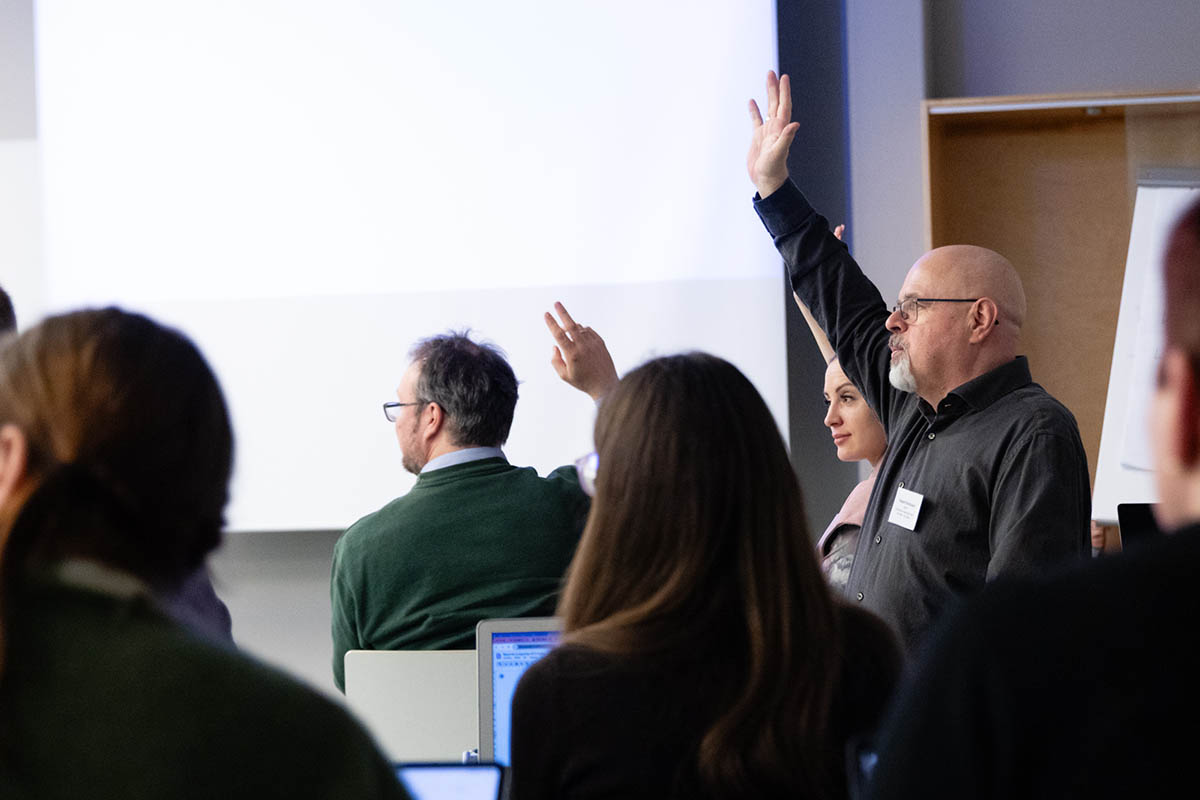
Teachers and experts actively participating in the discussion – as demonstrated by representatives from USTP (Austria).